
Discover the High-Quality SMT Soldering Process for Superior Results
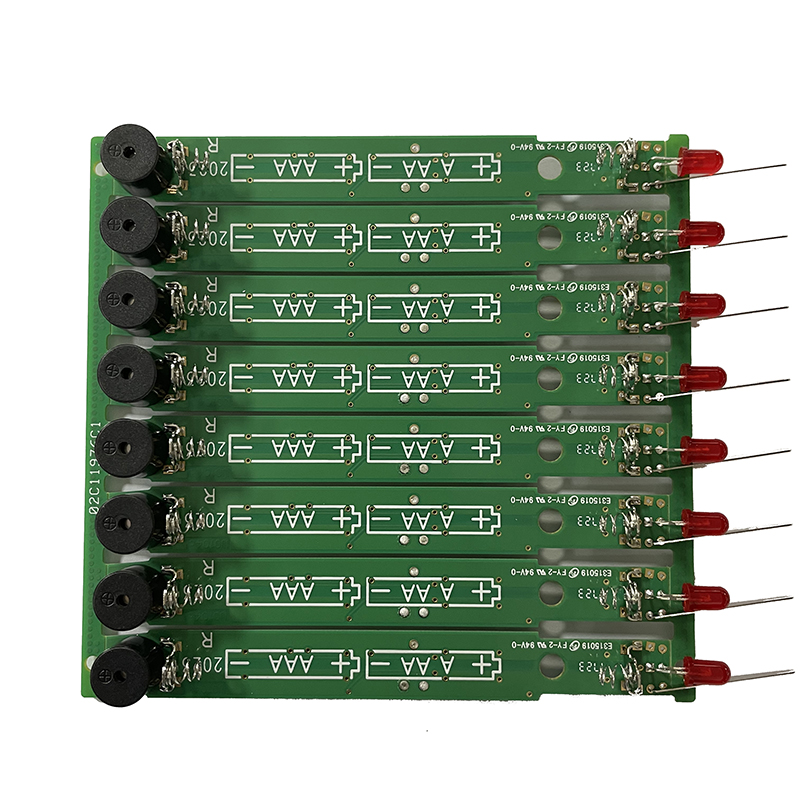
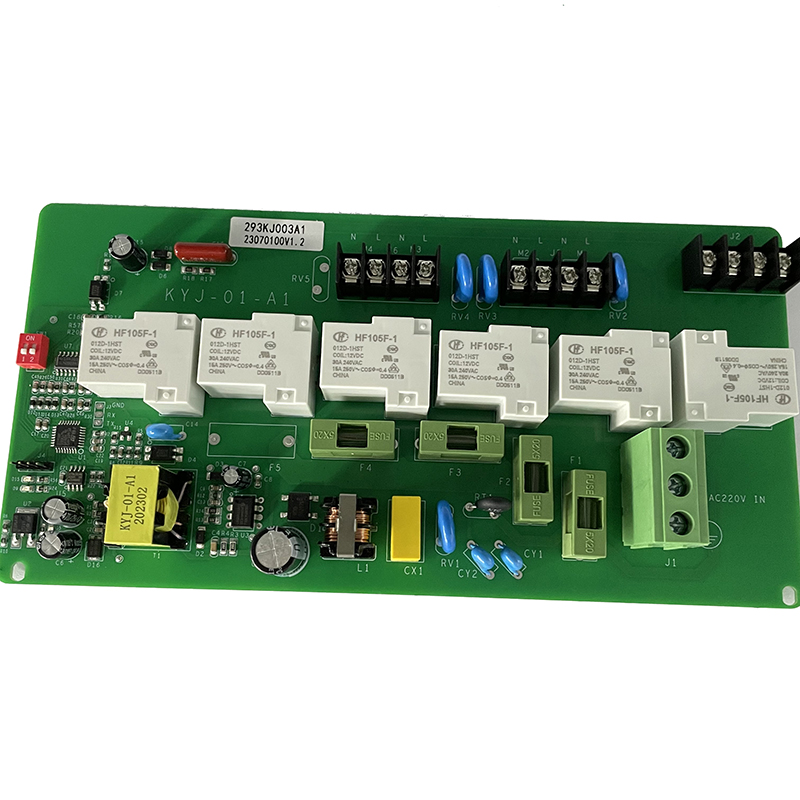
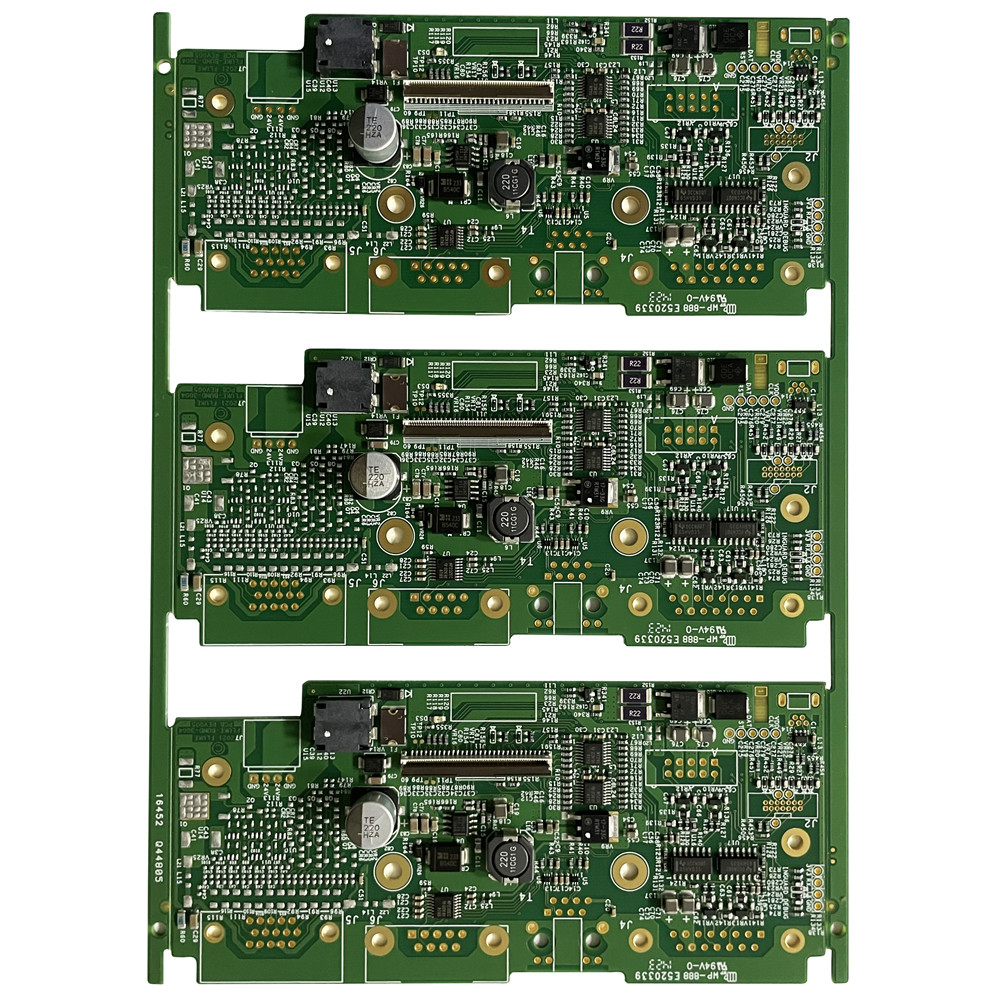
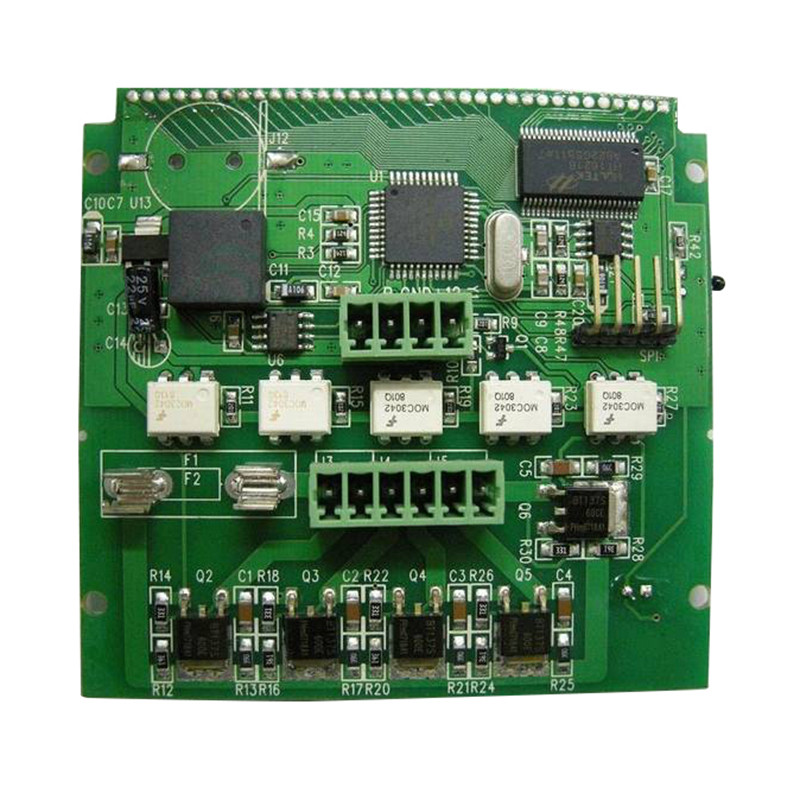
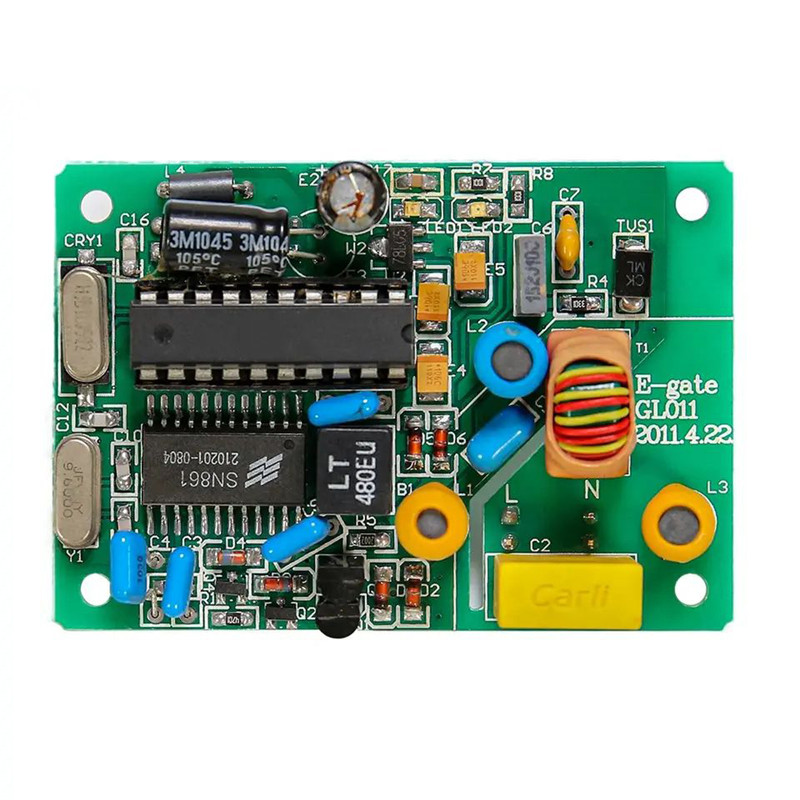
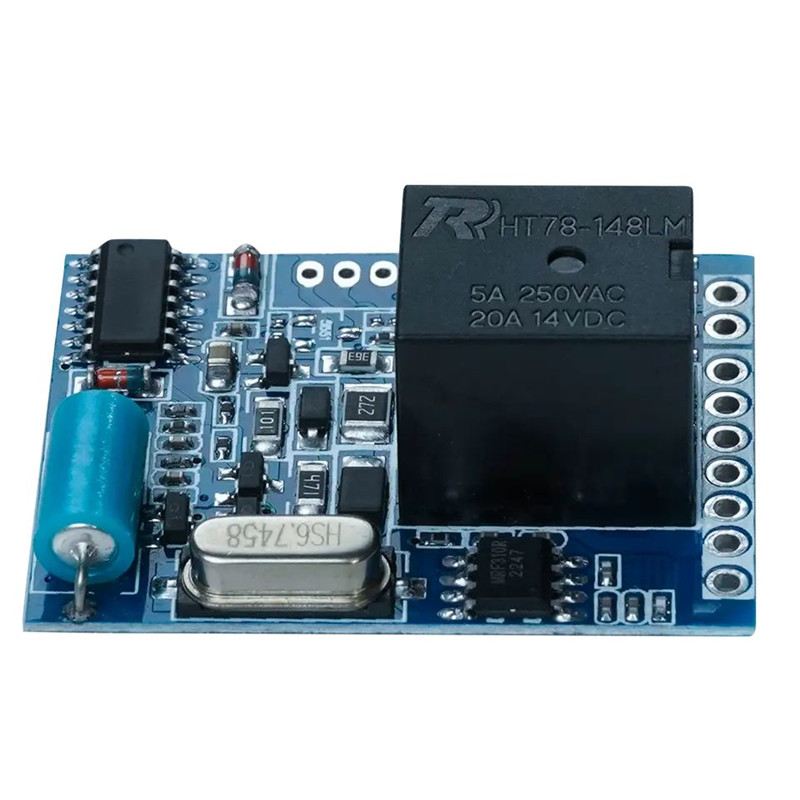
Introducing the High-Quality SMT Soldering Process, brought to you by Zhuhai Xinrunda Electronics Co., Ltd., a leading manufacturer, supplier, and factory based in China. Our SMT (Surface Mount Technology) Soldering Process offers exceptional precision, reliability, and efficiency in the assembly of electronic components onto PCBs (Printed Circuit Boards). Equipped with state-of-the-art machinery and innovative techniques, our manufacturing facility ensures the highest standards of quality in every soldering process. Our skilled team of technicians undergoes rigorous training to deliver impeccable results consistently. With our SMT soldering process, you can enjoy enhanced production capabilities, decreased manufacturing time, and improved product performance. The advanced technology employed in our process guarantees the seamless integration of components, minimizing the risk of defects or failure. We understand the importance of reliable and durable soldering in the electronics industry. Therefore, our high-quality SMT soldering process undergoes rigorous testing to meet international standards and customer requirements. Choose Zhuhai Xinrunda Electronics Co., Ltd. as your trusted partner for SMT soldering solutions. Contact us today to learn more about our high-quality products and exceptional services.
Related Products


Top Selling Products



- Related Blog
- Reviews
