
In the fast-paced world of electronics manufacturing, you really can't overlook how crucial a well-executed PCB Box Build project is. As industry expert Dr. John Smith often says, 'A successful PCB Box Build is basically the foundation for delivering electronics that are both reliable and efficient.' This process is a key part of the electronics production scene—mixing different assembly techniques to get high-quality results that meet those tough industry standards. According to reports like IPC's 2019 PCB Market Report, the industry is growing at roughly 4.4% a year, which just goes to show how much demand there is for precision-driven assembly solutions.
Take Zhuhai Xinrunda Electronics Co., Ltd., for example—founded back in 2004, they’ve really become a leader in the field. They offer a wide range of services, from SMT and PTH to COB manufacturing. Our team is super dedicated to doing great work on PCB Box Build projects, always aiming to not just meet but blow past our clients’ expectations by using the latest technology and a bunch of industry know-how. As the market keeps booming, getting a good grasp on the ins and outs of the PCB Box Build process will be more important than ever for manufacturers who want to stay ahead in innovation and quality.

Understanding the PCB Box Build Process and Its Importance
The PCB box build process is a critical aspect of electronics manufacturing, blending design, assembly, and testing into a cohesive workflow. According to a report by IPC, the global market for electronic manufacturing services (EMS) is projected to reach $500 billion by 2025, underscoring the significance of efficient PCB box builds in meeting rising demands. Understanding this process can significantly enhance product reliability and reduce time-to-market, which are essential in today's fast-paced technological environment.
The importance of a well-executed PCB box build is further emphasized by data from the Electronics Industry Association, which indicates that nearly 70% of product failures are attributed to issues that arise during the assembly phase. This highlights the need for meticulous attention to detail and stringent quality control measures throughout the box build process. By grasping the complexities involved, manufacturers can streamline operations and ensure that end products meet stringent performance standards, ultimately leading to higher customer satisfaction and a competitive edge in the market.
Top 10 Tips for Successful PCB Box Build Projects You Need to Know
| Tip Number | Tip | Description | Importance Level |
|---|---|---|---|
| 1 | Plan Ahead | Develop a comprehensive plan covering all aspects of the project. | High |
| 2 | Select Quality Components | Use high-quality components to enhance reliability and performance. | High |
| 3 | Involve All Stakeholders | Ensure that all relevant parties are involved in the planning and execution stages. | Medium |
| 4 | Document Everything | Keep detailed records of all decisions, changes, and designs throughout the project. | High |
| 5 | Implement Testing Procedures | Establish clear testing protocols to verify functionality and performance. | High |
| 6 | Consider Environmental Factors | Evaluate the environmental conditions that the PCB will face during its lifecycle. | Medium |
| 7 | Establish Clear Communication | Maintain open lines of communication among all team members. | High |
| 8 | Conduct Regular Reviews | Schedule frequent reviews to assess progress and adjust plans as needed. | Medium |
| 9 | Stay Updated with Technology | Continuously learn about new technologies and methods that may benefit the project. | Medium |
| 10 | Evaluate Risks | Identify and evaluate potential risks throughout the project lifecycle. | High |


FAQS
: The PCB box build process is a critical aspect of electronics manufacturing that combines design, assembly, and testing into a cohesive workflow, essential for enhancing product reliability and reducing time-to-market.
It is important because nearly 70% of product failures stem from assembly phase issues. A well-executed box build ensures high performance standards and enhances customer satisfaction.
The global market for electronic manufacturing services (EMS) is projected to reach $500 billion by 2025, highlighting the increasing demand for efficient PCB box builds.
Common materials used for PCB enclosures include plastic, metal, and composite materials, each offering different advantages such as weight flexibility and strength.
The materials selected must protect against environmental factors like moisture, dust, and temperature variations to ensure the durability and functionality of the enclosure.
Manufacturability is crucial because materials that are easy to source and work with can significantly reduce production time and overall project costs.
It is important to balance aesthetics and practicality, ensuring that the material protects the PCB while also presenting a professional appearance that aligns with the brand's identity.
Incorporating design elements that facilitate easy assembly and disassembly can improve the usability of the enclosure, making it more convenient for users.
Stringent quality control measures are essential throughout the box build process to minimize errors and ensure high product standards, ultimately contributing to customer satisfaction.
Factors to assess include the specific needs of the project, such as weight restrictions, exposure risks, functionality, durability, and cost-effectiveness.
Conclusion
The article "Top 10 Tips for Successful PCB Box Build Projects You Need to Know" provides essential insights into the PCB Box Build process, highlighting its significance in electronics manufacturing. It delves into key components involved in PCB Box Builds, underscoring the importance of meticulous planning and design for optimal results. Selecting the right materials for enclosures is emphasized, alongside best practices in assembly techniques that ensure robust construction. Furthermore, the article discusses the critical role of testing and quality assurance to maintain high standards. For project managers, it offers practical tips to keep PCB Box Build projects on schedule, ultimately contributing to efficient and successful outcomes.
At Zhuhai Xinrunda Electronics Co., Ltd., we leverage our extensive experience since 2004 in providing professional electronics manufacturing services to excel in PCB Box Build projects. Our expertise in SMT, PTH, and other processes ensures that every PCB Box Build is executed with precision and quality, meeting the diverse needs of our clients.
Related Posts
-

Exploring the Benefits of Pcb Box Build: Why Custom Solutions Matter for Modern Electronics
-
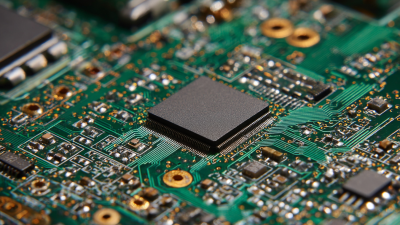
Overcoming Challenges in Printed Circuit Assemblies: Industry Insights and Solutions
-

Understanding Pcb Box Build: The Essential Guide to Custom Electronics Assembly
-

Trustworthy PCB PCBA Solutions from Leading Chinese Factories for Global Buyers
-
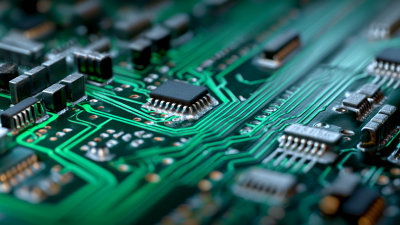
Innovative Solutions for Efficient Pcbas Manufacturing Techniques
-

Championing Excellence in Export with Best Printed Circuit Board Assembly from China
