
In today’s fast-moving world of electronics, Surface Mount Technology (SMT) is really leading the charge, changing the game when it comes to how electronic parts are put onto circuit boards. As Dr. Jennifer Brown, a top expert and CTO at MicroElectronics Innovations, puts it, 'SMT isn’t just a new way of doing things; it’s a complete shift in how manufacturers build devices.' This tech doesn’t just let us mount components on both sides of a board—it also helps make gadgets smaller and lighter, which means they’re more portable and easier to use.

You’ll notice more and more companies jumping on the SMT bandwagon because it’s got some pretty big perks—like better performance, lower production costs, and increased reliability. Plus, it speeds things up in the manufacturing process, helping new products hit the shelves faster. On top of that, SMT offers more design flexibility, letting engineers come up with creative new devices that fit what consumers want today. Looking at the top five benefits of SMT, it really becomes clear that this technology is shaping the future of electronics—paving the way for smarter, sleeker, and more efficient tech across various industries.
Understanding the Basics of Surface Mount Technology (SMT)
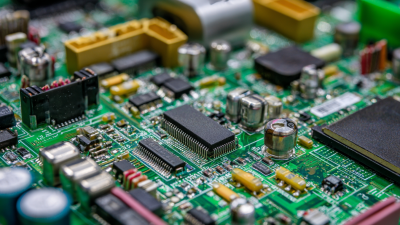
Surface Mount Technology (SMT) is a method of producing electronic circuits where components are mounted directly onto the surface of printed circuit boards (PCBs). Unlike traditional through-hole designs, SMT allows for smaller, more compact arrangements of circuit components, making it an ideal choice for modern electronics. This technology relies on the use of surface-mounted devices (SMDs) that are soldered onto the board's surface, enhancing the density and performance of electronic devices.
One of the main advantages of SMT is its ability to facilitate automated manufacturing processes. This efficiency not only reduces labor costs but also minimizes the chances of human error during assembly. Additionally, since SMT components are generally smaller than their through-hole counterparts, more components can fit on a single board, allowing for more complex designs in a smaller footprint. The result is a significant improvement in the performance and reliability of electronic devices, making SMT a pivotal technology in the advancement of the electronics industry.

Maximizing Efficiency and Quality in PCB Assembly: Insights from 2023 Global Consumer Electronics Industry Reports
In today's rapidly evolving consumer electronics landscape, maximizing efficiency and quality in PCB assembly has become paramount. Insights from the 2023 Global Consumer Electronics Industry Reports highlight a significant surge in demand for various electronic products. This trend drives the need for specialized PCB assembly services tailored to meet the unique requirements of different segments. Companies must adapt to these changes by investing in advanced technologies and methodologies that enhance both the speed and precision of their assembly processes.
Our PCB assembly services cater to a wide range of consumer electronics applications. From communication electronics, where reliability is crucial for connectivity, to wearable technology that combines compact design with functionality, each sector presents its own challenges and opportunities. Home appliance PCB assembly focuses on integrating smart features into everyday devices, while LED light assembly emphasizes energy efficiency and longevity. Additionally, power supply and charger PCB assembly ensure that devices operate safely and effectively. By leveraging expertise across these diverse applications, we can help manufacturers streamline production while maintaining the highest quality standards.

FAQS
: SMT is a method in electronics manufacturing where components are mounted directly onto the surface of printed circuit boards (PCBs), enabling compact designs and efficient production.
The key advantages of SMT include significant space savings, enhanced production efficiency, the ability to create high-density circuits, and substantial reductions in production costs by up to 30%.
The global electronics manufacturing services market is projected to exceed $500 billion by 2025, highlighting the growing significance of SMT in producing smaller, lighter, and more efficient electronic components.
The SMT market is expected to grow at a CAGR of 5.21% from 2021 to 2026, driven by the demand for compact, lightweight devices and the adoption of automated manufacturing processes.
SMT facilitates advancements in materials and design engineering, leading to the development of sophisticated electronic components necessary for technologies such as 5G and electric vehicles.
Automation in SMT manufacturing is expected to enhance production efficiency, reduce costs, and minimize error rates, which will contribute to the overall growth of the SMT sector.
Innovations may include the development of fine-pitch components and flexible circuit boards, which are essential for creating more compact and sophisticated electronic devices.
As technologies like 5G and electric vehicles expand, SMT will need to adapt to more complex PCB assemblies, enhancing performance and functionality in electronic devices.
SMT is crucial for companies looking for a competitive advantage because it allows quicker assembly lines and lower production costs while meeting the increasing demand for advanced consumer electronics.
The adoption of SMT is vital for the production of modern consumer electronics, enabling the manufacturing of high-density circuits that are essential for devices like smartphones and smart home products.
Conclusion
SMT Surface Mount Technology (SMT) represents a pivotal advancement in electronics manufacturing, enabling the assembly of components directly onto the surface of printed circuit boards (PCBs). This method enhances the efficiency and density of PCB layouts, allowing for more complex designs while minimizing space requirements. The advantages of SMT include improved performance due to shorter interconnections, reduced assembly time, and lower production costs compared to traditional through-hole technology.
As the industry evolves, SMT continues to reshape PCB design, offering companies like Zhuhai Xinrunda Electronics Co., Ltd. the opportunity to leverage cutting-edge manufacturing services. With a focus on SMT, alongside other techniques like PTH and COB, the future of electronics innovation will likely see even greater integration of miniaturization and functionality, fostering advancements in various high-tech applications.
Related Posts
-

Championing Excellence in Export with Best Printed Circuit Board Assembly from China
-
Ultimate Guide to Mastering Pc Board Assembly Techniques
-

Unlocking Efficiency: The Future of Ems Pcb Assembly in Smart Electronics
-

Understanding the Importance of Ems Pcb Assembly in Today’s Electronic Manufacturing Landscape
-

Exploring the Future of Electronics: The Impact of Smt Surface Mount Technology
-

Understanding the Significance of Ems Pcb Assembly in Modern Electronics Manufacturing
