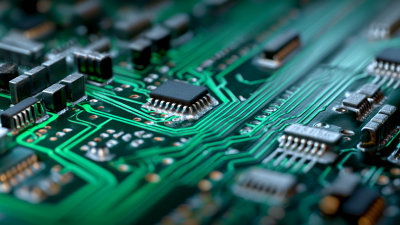
You know, Pin Through Hole (PTH) technology is pretty much a cornerstone in the electronics world. It’s the go-to method for making solid connections on a printed circuit board—think of it like giving the components a firm handshake. In PTH, you just stick the pins through holes in the board, which makes everything super sturdy. That’s what gives mechanical support that you can really count on, especially when things get a bit rough.
Companies like Digi-Key and Mouser Electronics rely on PTH for all sorts of stuff—think consumer gadgets, car systems, or even telecom gear. It’s especially handy when you need something reliable; PTH supports pretty much everything from resistors to big integrated circuits. That said, it’s not without its quirks. Putting everything together takes some finesse—making sure the pins are lined up just right and soldered properly. If things are off slightly, it can cause performance hiccups down the line.
Honestly, getting a good handle on Pin Through Hole is a must for anyone in electronic engineering. Knowing how to do it right really boosts the quality and durability of the final products. But, you’ve gotta keep learning—it’s an evolving field. New tech keeps popping up, and old methods might need tweaks. Engineers need to stay on top of things, keep their skills sharp, and always be ready to adapt. Staying updated with the latest trends is pretty much essential if you want to succeed in this game.

What is Pin Through Hole Technology?
Pin Through Hole Technology, often abbreviated as PTH, is a widely used method for manufacturing electronic circuits. This technology involves inserting pins or leads of electronic components through holes on a printed circuit board (PCB). These components are then soldered from the underside, creating a robust connection. PTH is known for its strength and durability, making it ideal for applications requiring extensive mechanical support.
According to a report by MarketsandMarkets, the PCB market is expected to reach $75.5 billion by 2024, with a significant portion utilizing PTH. This technology is particularly advantageous for larger components like connectors and transformers, which benefit from the enhanced stability that PTH offers. However, it can be more labor-intensive compared to surface mount technology (SMT). This aspect has raised concerns about manufacturing efficiency and cost.
Despite its advantages, PTH technology comes with challenges. The drilling of holes can introduce stress on the board material. There's also the risk of thermal damage during soldering processes. Engineers must consider these factors when designing PCBs. The choice between PTH and SMT often hinges on project requirements and cost constraints. Decisions must balance strength, reliability, and manufacturability.
Historical Development of Pin Through Hole Techniques
The evolution of Pin Through Hole (PTH) techniques is pivotal in the electronics field. PTH technology began in the mid-20th century when engineers sought a reliable method to mount electronic components. Initially, they used simple hole drilling techniques and manual soldering. This helped create robust connections with components placed directly through printed circuit boards (PCBs).
Over time, the development of automated manufacturing and robotics drove advances in PTH techniques. The introduction of wave soldering improved efficiency. This period marked a shift toward mass production and scaling up. Engineers became more skilled, creating better designs and achieving high reliability. However, not all advancements were problem-free. Some designs faced challenges with heat dissipation and potential mechanical stress. Continuous improvement was necessary to address these issues.
Tips: When designing circuits, consider the thermal management of components. Effective placement can prevent overheating. Regularly test prototypes, as this can uncover potential flaws early. Always refine your methods for better reliability.
What is Pin Through Hole and Its Applications in Electronics?
The Pin Through Hole (PTH) technique has evolved significantly since its inception in the 1950s. The chart above illustrates the number of innovations in PTH techniques across different decades, highlighting the evolution and advancements made in this technology over time. This method remains integral in the production and design of electronic components today.
Design Considerations for Pin Through Hole Components
Pin Through Hole (PTH) components play a significant role in electronic circuit design. These components provide a robust connection option for electrical signals. When designing circuits, it is important to consider the size and spacing of the holes. According to industry reports, the optimal spacing is generally around 2.54 mm (0.1 inches). This spacing enhances solderability and connection strength, which is crucial for performance.
Thermal considerations are vital when using PTH technology. Components can generate heat, affecting performance and reliability. A study by IPC states that poor thermal management can lead to a 25% reduction in component lifespan. Designers must ensure that proper thermal pathways exist. This may mean using heat sinks or ensuring adequate airflow.
Mechanical stress is another factor to weigh carefully. PTH components can experience stress during assembly and usage. This stress can lead to solder joint failure. Research indicates that creating a flexible printed circuit can alleviate some of these issues, providing a more durable solution. Overall, addressing these design considerations can greatly enhance the reliability of PTH components in electronic applications.
Common Applications of Pin Through Hole in Electronics
Pin Through Hole (PTH) technology is a fundamental aspect of electronics, widely used in various applications. It involves inserting pins through holes on a printed circuit board (PCB) for secure connections. This method is favored for its reliability and ease of assembly. PTH components can be used in everything from simple devices to complex machinery.
Common applications of PTH include power supply connectors, audio equipment, and automotive electronics. In power supplies, the connections must be sturdy to handle high currents. Audio devices benefit from PTH due to the need for stable performance. Automotive electronics often rely on PTH for parts that must withstand vibrations and extreme conditions.
**Tip:** Ensure proper alignment when inserting pins. Misalignment can lead to failed connections, creating issues down the line.
Another area where PTH shines is in prototyping. Engineers often use these connections when testing new designs. The ability to easily replace components is invaluable. However, the process can be time-consuming.
**Tip:** Consider using socketed components for easier replacement during development. This can save a lot of effort later.
While PTH offers numerous benefits, it’s essential to recognize its limitations. The soldering process requires skill. Poor soldering can lead to cold joints and malfunctioning devices. Always check the final product for errors.
Advantages of Pin Through Hole Over Other Mounting Methods
Pin Through Hole (PTH) technology has become a cornerstone in electronics manufacturing. This method involves inserting pins through holes in a circuit board and soldering them on the opposite side. One major advantage of PTH is its mechanical strength. The pins provide solid connections that withstand stress and vibration well. This is crucial in environments where devices encounter physical challenges.
Another benefit is that PTH allows for easy repairs and modifications. Unlike surface mount technology (SMT), which is often difficult to work with, PTH components can be replaced easily. This is particularly important for hobbyists and professionals working on prototypes or custom designs. They appreciate the straightforward nature of PTH for troubleshooting and adjustments.
PTH also supports larger components, which can be necessary for specific applications. However, the process may require more board space and can be less efficient in terms of density compared to SMT. This trade-off is essential to consider when designing a circuit. Some may find PTH outdated, but its reliability in particular contexts remains unmatched. As technology evolves, reflecting on the traditional methods like PTH invites discussions on their relevance and effectiveness in modern applications.
Challenges and Limitations of Pin Through Hole Technology
Pin Through Hole (PTH) technology plays a critical role in electronic assembly. However, it faces several challenges that cannot be overlooked. One significant issue is related to the manual assembly process. According to a report by IPC, around 40% of mistakes in electronic assembly come from human errors. This indicates a need for improved training and standardized procedures within the assembly teams.
Moreover, the physical limitations of PTH components can hinder design versatility. PTH can increase board thickness and complicate routing. A recent study showed that up to 30% of design revisions in printed circuit boards (PCBs) arise from issues related to PTH. This can lead to delays and increased costs, challenging the overall efficiency of production lines.
Additionally, thermal management poses another hurdle. The heat generated during soldering can lead to issues like delamination. Reports from industry analysts indicate that around 25% of PTH connections experience thermal stress failures. This necessitates careful consideration during the design and assembly phases to enhance reliability and longevity in electronic devices.
What is Pin Through Hole and Its Applications in Electronics? - Challenges and Limitations of Pin Through Hole Technology
| Dimension |
Value |
Description |
| Pin Diameter |
0.5 mm - 2.5 mm |
Typical range for pin hole diameters. |
| Hole Spacing |
2.54 mm (0.1 inch) |
Standard spacing for many PCB designs. |
| Mounting Type |
Through Hole |
Traditional method of mounting electronic components. |
| Applications |
Power Supplies, Audio Equipment |
Common applications for through-hole components. |
| Limitations |
Space, Labor-Intensive |
Challenges faced in modern circuit design. |
| Cost |
Higher compared to Surface Mount Technology |
Consideration for manufacturing budgets. |
Future Trends in Pin Through Hole Electronics Design
Pin Through Hole (PTH) technology is evolving as electronic design trends shift toward more compact and efficient solutions. Recent industry reports indicate that the market for PTH components is projected to grow by 8% annually. This growth stems from increasing demand for reliable connections in diverse applications, from consumer electronics to industrial systems. The physical structure of PTH allows for easier soldering, facilitating robust connections even in demanding environments.
Future trends show a focus on integrating PTH with surface mount technologies (SMT) to harness the benefits of both. Hybrid designs can reduce the overall footprint of devices while maintaining the reliability that PTH offers. However, challenges remain, particularly in balancing the thermal expansion properties of PTH and SMT components. Engineers will need to address these issues through innovative design approaches.
Additionally, sustainability is becoming a key consideration in PTH electronics. A report from a leading electronics market research firm highlights that about 30% of electronics manufacturers are investing in eco-friendly PTH solutions. This shift is not without difficulties, as it often requires re-evaluating sourcing and material choices. Adopting sustainable practices in PTH component manufacturing is essential, yet it demands careful thought and investment.
Innovative Solutions in PCB Assembly: Harnessing Artificial Intelligence for Enhanced Efficiency and Quality
Artificial intelligence (AI) is poised to transform industries by enhancing efficiency and quality across various sectors. One area that is experiencing significant innovation due to AI is PCB assembly, particularly in the development of smart home devices, chatbots, and voice assistant technologies. The integration of AI into these applications allows manufacturers to optimize processes, reduce errors, and deliver products with superior performance.
For instance, in smart home device assembly, AI algorithms can automate quality control tasks, identifying inconsistencies and improving overall reliability. By leveraging machine learning, engineers can predict potential failures and implement preventative measures during production. This results in efficient assembly lines that can adapt to changing requirements, ultimately leading to reduced production time and costs.
Additionally, the rise of chatbots and voice assistant devices greatly benefits from advancements in AI. Effective PCB assembly services tailored to these devices can ensure that they function seamlessly, powered by intuitive AI systems. This not only enhances user experience but also sets a new standard for product quality in the electronics industry. As AI continues to evolve, the potential for innovation in PCB assembly remains vast, driving the future of smart technologies forward.
FAQS
: Pin Through Hole Technology involves inserting component pins through holes in PCBs and soldering them.
PTH offers strong, durable connections ideal for larger components like connectors. It supports mechanical stability well.
PTH can be labor-intensive and prone to human error during assembly. Mistakes can lead to delays.
Thermal management is crucial. Poor heat handling can reduce component lifespan by up to 25%.
Around 40% of assembly mistakes are due to human errors. Improved training could help reduce these.
Yes, PTH can increase board thickness and complicate routing, leading to potential design revisions.
Mechanical stress during assembly can lead to solder joint failure, which affects reliability in circuits.
A spacing of about 2.54 mm (0.1 inches) is recommended for better solderability and strength.
Using flexible printed circuits may help alleviate mechanical stress and enhance durability.
About 25% of PTH connections can fail due to thermal stress, highlighting a significant design challenge.
Conclusion
Pin Through Hole technology is a fundamental method in electronics where components are inserted into holes on a printed circuit board (PCB) and then soldered in place. This technique has its origins in the early days of electronics, evolving significantly over the years, adapting to various design requirements. Designers must consider factors such as hole size, spacing, and the overall layout when integrating Pin Through Hole components into their projects.
The applications of Pin Through Hole technology are widespread, ranging from simple electronic devices to complex systems. Its advantages include robust mechanical support and ease of repair, making it a preferred choice for many applications despite its challenges, such as increased PCB real estate and limitations in miniaturization. Looking forward, future trends suggest that while Pin Through Hole will coexist with surface mount technology, innovations will continue to enhance its effectiveness and integration into modern electronics design.