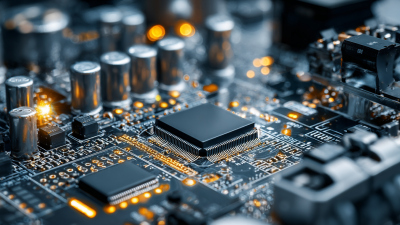
You know, in the fast-changing world of electronics manufacturing, the Printed Circuit Board Assembly (or PCBA) process is pretty much the backbone that determines how well our gadgets work and how reliable they are. Once you start digging into what goes into PCBA, it not only shows you all the technical hurdles involved but also really highlights just how important it is for producing top-notch products. As devices get more complicated, there’s a bigger need for precision and efficiency in assembling these boards—it's honestly a key driver of innovation across different industries.
Every step, from designing to putting everything together, really matters if you want your electronic parts to work together without a hitch. Getting a good grip on this whole process helps manufacturers tweak their workflows, boost product quality, and get products out quicker. Plus, a solid PCBA process isn’t just about making better stuff—it also helps the environment by cutting down waste and making better use of resources. Let’s be real, in a pretty competitive biz where consumers expect nothing but the best, knowing your way around the PCBA process isn’t just a bonus; it’s kind of a must-do if you want your company to thrive in today’s market.

Overview of the PCBA Process in Electronics Manufacturing
The Printed Circuit Board Assembly (PCBA) process is a crucial aspect of electronics manufacturing, involving several intricate steps that ensure the functionality and reliability of electronic products. The process begins with the design and fabrication of the printed circuit board (PCB), which acts as the foundation for mounting electronic components. Once the PCB is ready, it undergoes surface mounting technology (SMT) or through-hole technology (THT) to place various components such as resistors, capacitors, and integrated circuits onto the board. This stage is typically performed using automated machines that enhance precision and efficiency, reducing the likelihood of human error.
After component placement, soldering is the next critical step in the PCBA process. This ensures that all components are securely attached to the PCB. Various soldering methods, including wave soldering and reflow soldering, may be employed depending on the type of assembly. Following soldering, the assembled boards undergo rigorous testing and inspection to identify any defects or issues before packaging. This quality control is vital in the electronics manufacturing sector, as it directly impacts the performance and reliability of the end product.
Overall, a comprehensive understanding of the PCBA process highlights its importance in delivering high-quality electronic assemblies that meet industry standards and consumer expectations.
Key Stages in the PCBA Process: A Step-by-Step Guide
The Printed Circuit Board Assembly (PCBA) process is a crucial backbone in the electronics manufacturing industry, representing the synthesis of various sophisticated stages necessary for functional electronic devices. The key stages in this process include design, fabrication, assembly, inspection, and testing. Each step plays a vital role in ensuring high-quality end products; for instance, the design phase utilizes computer-aided design (CAD) tools to create layouts that meet specific electrical requirements. According to a recent industry report, nearly 70% of production failures can be traced back to inadequate design, emphasizing its importance.
During the fabrication stage, raw materials, like copper-clad laminates, are transformed into printed circuit boards through etching and layering, which will then undergo assembly. In this phase, components are soldered onto the PCB using automated machines, reducing manual errors and increasing efficiency. Industry statistics indicate that automating the assembly process can improve production speed by up to 50%, significantly impacting time-to-market for electronic devices.
Tips: Ensure rigorous inspection during and after the assembly stage. Techniques such as Automated Optical Inspection (AOI) can catch defects early, reducing costly rework later. Additionally, thorough testing of the assembled PCBA is non-negotiable; according to a survey, companies investing in effective testing methods report a 30% reduction in field failures. Investing in quality assurance throughout the PCBA process is imperative for building reliable electronic products.
Importance of PCB Design in the PCBA Process
In the realm of electronics manufacturing, the importance of
PCB design in the
PCBA
(Printed Circuit Board Assembly) process cannot be overstated. A
well-crafted PCB design serves as the backbone for efficient assembly,
ensuring that electronic components are arranged optimally for
functionality and reliability. According to a report by IPC, the average
cost of rework due to poor PCB design can exceed
5% of total production costs,
highlighting the critical role of meticulous design in minimizing waste
and enhancing yield.
Moreover, the advancement in design software has dramatically improved
the quality of PCBs. Recent industry surveys suggest that companies
employing advanced Computer-Aided Design (CAD)
tools see a 40% reduction in design
errors compared to those using outdated methods. These tools support
simulations that can detect potential issues before production begins,
leading to more reliable products in the market.
Tips: Ensure that your PCB design includes clear trace routing and
adequate spacing, as these factors significantly influence the overall
performance. Regular design reviews and collaboration between engineers
can also help catch potential errors early in the process, saving time
and resources down the line. Additionally, incorporating
design for manufacturability (DFM)
principles can streamline the assembly process, leading to increased
efficiency and lower cost.
Soldering Techniques Used in PCBA: Types and Best Practices
Soldering techniques are a crucial aspect of the Printed Circuit Board Assembly (PCBA) process, significantly impacting the quality and reliability of electronic devices. There are several types of soldering methods, each with distinct advantages and appropriate applications. Among the most commonly used techniques are wave soldering, reflow soldering, and hand soldering. Wave soldering is ideal for bulk production as it provides a consistent and efficient process for soldering multiple components simultaneously. Reflow soldering, often used with Surface Mount Technology (SMT), involves applying solder paste to the PCB, followed by heating to melt the paste, ensuring a strong bond between the components and the board. Hand soldering, on the other hand, is often employed for prototyping or repairs, allowing for greater flexibility and precision, especially in complex or small-scale assemblies.
Best practices in soldering are essential for achieving optimal results in PCB assembly. Maintaining proper temperature control is vital to prevent damage to the components and ensure a good solder joint. A clean work area and well-prepared surfaces can enhance the effectiveness of the soldering process. Additionally, using the right type of solder and flux can significantly improve the quality of the joint. It is also important to avoid common mistakes, such as overheating the components or using excess solder, which can lead to defects such as cold solder joints or solder bridging. Following these best practices not only ensures the reliability of the PCB but also contributes to the overall efficiency of the electronics manufacturing process.
Understanding PCBA Process and Its Importance in Electronics Manufacturing - Soldering Techniques Used in PCBA: Types and Best Practices
| Soldering Technique |
Description |
Advantages |
Common Applications |
| Wave Soldering |
A mass soldering process where a PCB passes over a wave of molten solder. |
High speed, suitable for large production runs, consistent joints. |
Through-hole components, high-volume PCBs. |
| Reflow Soldering |
Uses a heated environment to melt solder paste on components and board. |
Great for SMT, allows for complex assemblies and multi-layer boards. |
Surface mount technology (SMT) applications. |
| Hand Soldering |
Manual soldering with a soldering iron for precision work. |
Flexibility, precision for small batches or repairs. |
Prototyping, repairs, low-volume production. |
| Laser Soldering |
Uses a laser to melt solder, allowing for precise control over the heat applied. |
Minimal thermal impact on components, ideal for delicate assemblies. |
High-density assemblies, sensitive components. |
| Vacuum Soldering |
Uses vacuum to remove air before soldering, enhancing joint strength. |
Improved reliability and strength of the solder joints. |
Aerospace, high-stress applications. |
Testing and Quality Control in the PCBA Process
Testing and quality control are critical components of the PCBA (Printed Circuit Board Assembly) process in electronics manufacturing. These steps ensure that each assembly meets the stringent standards necessary for reliable performance. During the testing phase, various methods such as functional testing, in-circuit testing (ICT), and automated optical inspection (AOI) are employed. Each method targets specific aspects of the PCBAs to detect potential defects, ensuring components are correctly placed, soldered, and functionally ready.
Quality control follows testing and involves systematic inspections and evaluations throughout the PCBA process. This includes monitoring the manufacturing environment, materials used, and production techniques to maintain product integrity. Implementing robust quality control procedures allows manufacturers to identify and rectify issues early, reducing the risk of failures in the final product. By prioritizing testing and quality control, electronics manufacturers can enhance product reliability, minimize returns, and meet regulatory compliance, ultimately fostering customer trust and satisfaction in the technology they deliver.
Common Challenges in PCBA and Their Solutions
In the realm of PCB Assembly (PCBA), several challenges can arise throughout the manufacturing process, each impacting efficiency and product quality. One common issue is misalignment during the soldering phase, which can lead to defects such as cold joints or incomplete connections. This is often exacerbated by inadequate handling or environmental factors like humidity. Implementing stringent quality control measures and utilizing advanced automation equipment can alleviate many of these concerns, ensuring precision and reliability.
Another significant challenge in PCBA is the risk of component damage. ESD (Electrostatic Discharge) can occur during the assembly process, which may ruin sensitive components. To counter this, manufacturers should invest in proper ESD protection equipment and training for the workforce to minimize risks. Incorporating regular maintenance and checks into the workflow can further enhance the durability of components throughout production.
**Tips:** Consider conducting routine audits of your assembly process to identify potential bottlenecks or issues early on. Engage your team in continuous training programs to maintain an up-to-date understanding of best practices and technologies. Additionally, keeping an open line of communication between design and assembly teams can prevent many common missteps in the PCBA process.
Future Trends in PCBA Technology and Electronics Manufacturing
The landscape of PCBA technology is rapidly evolving, driven by advancements in electronics manufacturing. Increasing demand for miniaturization and enhanced performance in consumer and industrial electronics is shaping trends such as flexible PCBs and the integration of Artificial Intelligence (AI) in the manufacturing process. Flexible printed circuit boards allow for greater design flexibility and the possibility of creating lighter and smaller devices without compromising functionality. This trend is particularly significant in wearable technology, where space constraints are critical.
Moreover, the incorporation of AI and machine learning into the PCBA process is set to revolutionize quality control and production efficiency. Smart manufacturing techniques enable real-time monitoring, predictive maintenance, and optimization of assembly processes. This shift not only reduces production costs but also minimizes the probability of defects, leading to higher quality products. As manufacturers adapt to these trends, the focus on sustainability is also growing, with an emphasis on environmentally friendly materials and waste reduction practices, ensuring that the advancement of technology proceeds alongside responsibility toward the planet.
Streamlining Electronics Manufacturing: Unlocking Efficiency with Automated PCB Assembly Services
In today's competitive electronics manufacturing landscape, the integration of automated PCB assembly services has become vital for enhancing efficiency and productivity. Industrial PCB assemblies (PCBAs) are foundational components in numerous modern applications, including hard, soft, and integrated automation systems. The synergy between designers and contract manufacturers (CMs) plays a crucial role in optimizing the manufacturing process. By fostering a partnership that prioritizes communication and flexibility, manufacturers can quickly adapt to design changes and implement efficient workflows.
Recent industry reports highlight that the global market for automated PCB assembly is expected to reach $35 billion by 2025, driven largely by the increasing demand for high-quality electronic products and faster time-to-market. Automation technology in PCB assembly not only accelerates the production process but also significantly reduces errors, yielding a higher quality of the final product. Fast turnkey prototyping services enable manufacturers to develop reliable and precisely tailored solutions for various applications, thereby responding swiftly to customers’ evolving needs.
Furthermore, advancements in manufacturing capabilities allow for the assembly of sophisticated boards that meet stringent industry standards. By utilizing automated systems, manufacturers can ensure consistent quality and efficiency, which is particularly important as the complexity of electronic devices increases. Embracing this technology facilitates a more adaptive approach to production, ultimately driving better outcomes for both manufacturers and their clients in the rapidly changing electronics market.
FAQS
Advanced design software can lead to a 40% reduction in design errors compared to outdated methods. These tools enable simulations to detect potential issues before production, resulting in more reliable products.
Important factors in PCB design include clear trace routing and adequate spacing, which significantly affect overall performance. Regular design reviews and collaboration among engineers are also vital for early error detection.
Common challenges in PCBA include misalignment during the soldering phase and component damage due to Electrostatic Discharge (ESD). These issues can negatively impact product quality and efficiency.
Manufacturers can mitigate misalignment risks by implementing stringent quality control measures and utilizing advanced automation equipment to ensure precision and reliability during soldering.
To protect sensitive components from ESD, manufacturers should invest in proper ESD protection equipment and provide training for their workforce to minimize risks associated with electrostatic discharge.
Conducting routine audits of the assembly process can help identify potential bottlenecks or issues early on, which can enhance overall efficiency and product quality.
Maintaining an open line of communication between design and assembly teams can help prevent common mistakes and ensure that both teams are aligned on best practices and objectives.
Incorporating DFM principles can streamline the assembly process, leading to increased efficiency and lower costs during production.
Continuous training ensures that manufacturing teams stay updated on best practices and technologies, which can help maintain high-quality standards and reduce errors in the PCBA process.
Conclusion
The article "Understanding PCBA Process and Its Importance in Electronics Manufacturing" provides a comprehensive overview of the printed circuit board assembly (PCBA) process, which is crucial for producing reliable electronic devices. It outlines the key stages of the PCBA process, from initial PCB design to component placement and soldering, highlighting best practices in soldering techniques that ensure high-quality joints.
The importance of thorough testing and quality control is emphasized, as these measures help to identify common challenges in the PCBA process and offer effective solutions. Furthermore, the article discusses emerging trends in PCBA technology, recognizing the continuous evolution in electronics manufacturing. By understanding these aspects, manufacturers can enhance efficiency and innovation in their operations, ultimately leading to improved product performance and reliability in the marketplace.