Welcome to our website.
0%

Have you heard about Ems, or Electrical Muscle Stimulation? Lately, it's been buzzing in the fitness world. Basically, it uses tiny electric impulses to make your muscles contract — kinda like giving them a workout, but without lifting a weight. People are pretty curious about what it can do — whether it helps you get fitter faster or just speeds up recovery after training.

One of the coolest things about Ems is how much time it can save you. A single session can give you results that might normally take hours of traditional lifting or cardio. Sounds pretty appealing if you’re juggling a busy schedule, right? Lots of users say they've noticed improvements in muscle tone and strength, but of course, outcomes aren't exactly the same for everyone. Some folks might even feel a bit uncomfortable during the sessions, which makes you wonder how effective it really is for different folks.

The tech is moving fast, too. Companies like Compex and PowerDot are really pushing the envelope, offering devices you can use at home or even in a professional setting. But, here’s the catch — the price can be a real barrier. It’s not super cheap, and that makes you think about whether it’s worth the investment or if it’s just a fancy gadget for a select few. All in all, it’s definitely worth considering the pros and cons before jumping into Ems training — it’s not a one-size-fits-all solution, but for some, it might just be a game-changer.

What Are Ems Benefits and How Do They Work?

What is EMS and Its Basic Functionality?

What Are Ems Benefits and How Do They Work?

Electromyostimulation (EMS) is a technology that involves stimulating muscles through electrical impulses. This process mimics the natural signals sent by the brain to activate muscles. EMS can be used for rehabilitation, athletic training, and enhancing muscle performance. While it has gained popularity, understanding its functionality is crucial for users.

The basic functionality of EMS rests on electrodes placed on the skin. These electrodes deliver low-frequency electrical currents to targeted muscles, causing them to contract. This is similar to how muscles respond to exercise. Many users have reported increased muscle strength and improved recovery times after using EMS. However, some find it uncomfortable or even painful. The sensation can feel strange, especially for beginners.

While EMS shows promise, there are limitations. It cannot replace traditional workouts entirely. Relying solely on EMS may lead to imbalances in muscle development. Moreover, proper education and cautious use are vital. Users should consider seeking professional guidance for optimal results. Each body responds differently to EMS, and what works for one person may not work for another. So, reflect on your own experience and adjust as needed.

Understanding the Mechanism of Electrical Muscle Stimulation

Electrical Muscle Stimulation (EMS) works by sending electrical impulses to muscles. This process triggers muscle contractions. These contractions occur in a similar way to natural movements. EMS can enhance muscle strength and endurance. It has applications in rehabilitation and fitness training.

One main benefit is improved muscle recovery. EMS helps reduce soreness after intense workouts. By promoting blood flow, it helps to deliver nutrients to muscles. However, not everyone responds the same way. Some may find it uncomfortable or ineffective.

Tips: Adjust the intensity settings until you find the optimal level for your comfort. Monitor how your body reacts to different impulse patterns.

EMS can also help with muscle tone. It provides an efficient workout, targeting hard-to-reach areas. Consistency is key for seeing results. Yet, some users may experience skin irritation. It's important to ensure proper electrode placement.

Tips: Always clean the skin before use to minimize irritation. Listen to your body and adjust the session duration accordingly.

What Are Ems Benefits and How Do They Work? - Understanding the Mechanism of Electrical Muscle Stimulation

Benefit Description Mechanism Applications
Muscle Strengthening Helps improve muscle strength and endurance. Stimulates muscle fibers through electrical impulses. Rehabilitation, fitness training.
Pain Relief Reduces muscle soreness and chronic pain. Inhibits pain signals to the brain. Physical therapy, sports injuries.
Increased Blood Circulation Enhances blood flow to the stimulated area. Electrical stimulation promotes vasodilation. Post-surgery recovery, injury healing.
Muscle Recovery Facilitates faster recovery from strenuous exercise. Promotes lactic acid clearance through muscle contraction. Fitness recovery sessions, sports therapy.
Improved Muscle Tone Aids in toning muscles for aesthetic purposes. Encourages muscle contractions that maintain muscle mass. Body sculpting, weight loss programs.

Key Health Benefits of EMS Technology

Electromyostimulation (EMS) technology has gained attention for its potential health benefits. It works by applying electrical impulses to muscles, causing contractions that mimic exercise. Many people find it appealing, as it may enhance muscle strength and tone without the need for traditional workouts.

One of the key health benefits of EMS is its ability to aid in muscle recovery. After an intense workout, muscles can be sore and fatigued. Using EMS may help reduce recovery time by increasing blood flow to the targeted areas. Improved circulation can provide essential nutrients and oxygen. However, relying solely on EMS for recovery might not be enough for optimal results.

Another notable advantage is pain management. EMS can be employed to alleviate muscle and joint pain. The electrical impulses act as a form of therapy, potentially blocking pain signals sent to the brain. This can be particularly useful for individuals recovering from injuries. Yet, not everyone experiences the same relief, and some may find it less effective. As with any health technology, personal experiences can vary widely, warranting further exploration and individual reflection on its use.

Comparing EMS with Traditional Exercise Methods

Electrical Muscle Stimulation (EMS) offers a unique alternative to traditional exercise methods. Unlike conventional workouts that require time and physical exertion, EMS delivers electrical impulses to muscles. These impulses mimic natural muscle contractions. Research indicates that a 20-minute EMS session can provide benefits similar to an hour of weight training.

In a recent report by the American College of Sports Medicine, 78% of participants noticed improved muscle strength and endurance with regular EMS use. This is particularly appealing for busy individuals. EMS can enhance muscle recovery, promoting faster results. However, some users report discomfort during sessions. This speaks to the need for personalized settings in EMS technology. Individual responses to stimulation vary.

Traditional methods, like weightlifting or cardio, engage multiple muscle groups through physical effort. While EMS can activate deep muscle fibers, it doesn't replicate the full engagement of a conventional workout. This raises questions about the role of mental discipline in fitness. Users may miss the psychological and social benefits of group exercises. While EMS has immense potential, it isn't a complete substitute. Each method has its advantages and limitations that merit consideration.

Comparing EMS Benefits with Traditional Exercise Methods

This chart compares the benefits of Electrical Muscle Stimulation (EMS) against traditional exercise methods across various metrics including muscle strength, fat loss, recovery time, flexibility, and time efficiency. The data illustrates that EMS provides significant advantages in recovery time and muscle strength, while traditional methods excel in flexibility and overall exercise routine engagement.

Potential Applications of EMS in Rehabilitation

Electromyostimulation (EMS) has gained traction in rehabilitation settings due to its potential benefits. Studies indicate that EMS can enhance muscle recovery post-injury. According to the Journal of Sports Science and Medicine, patients who used EMS experienced a 30% increase in strength compared to traditional therapies alone. This can be crucial for athletes. Additionally, EMS promotes circulation, aiding in reducing muscle stiffness.

Research published in the European Journal of Rehabilitation highlights EMS’s effectiveness in conditions such as stroke recovery and spinal cord injuries. The targeted muscle stimulation helps maintain muscle mass, essential for overall mobility. However, the optimal settings and duration of EMS remain subjects of ongoing debate. Some clinicians report insufficient data on long-term effects, questioning its efficacy for all patients.

Despite the promise of EMS, it is not without challenges. Not all patients respond equally to stimulation. Personalization of treatment plans is vital. Moreover, adherence to rehab protocols involving EMS is inconsistent. A significant percentage of patients might not engage fully in routines. This disparity calls for a deeper investigation into patient compliance and its impact on recovery outcomes.

Safety Considerations and Contraindications of EMS

Electromyostimulation (EMS) is becoming popular for muscle training. However, safety is a crucial concern. According to a study published in the *Journal of Rehabilitation Research* (2020), there are specific contraindications for using EMS devices. Individuals with pacemakers, recent surgeries, or skin conditions should avoid EMS.

Moreover, the risk of muscle strain is real. A report by the *American College of Sports Medicine* highlighted potential muscle fatigue or overstimulation when EMS is misused. Proper guidance is essential. Users should always consult health professionals before starting EMS treatments.

Another essential aspect involves monitoring electric stimulation intensity. Studies show that too much intensity can lead to discomfort or even injury. Users should listen to their bodies. Start with lower settings and gradually increase intensity. This can help prevent adverse effects and enhance safety.

Future Trends and Innovations in EMS Technology

The future of EMS technology is bright with innovative advancements on the horizon. One exciting trend is the integration of artificial intelligence. AI can analyze data faster than humans. This can lead to better patient care and improved response times. Imagine machines predicting issues before they arise. This could revolutionize emergency care.

Another trend involves wearable technology. Devices that track vital signs in real-time are becoming more common. These wearables can send alerts to EMS teams instantly. This ensures that medical assistance is swift and effective. However, there's a need for proper training. Not all users understand the technology fully.

Tips: Ensure you keep updated with tech changes. Regular training for EMS personnel on new tools is vital. Communication between devices and teams needs attention. There may be challenges with compatibility. Always discuss potential issues during training sessions. Knowledge sharing is key for success.

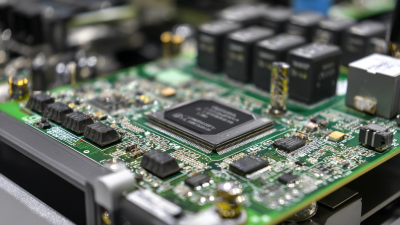
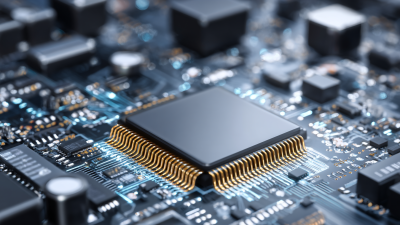
Comprehensive Guide to Choosing the Right Electrical & Power PCB Assembly Service for Your Project

In the fast-evolving landscape of electrical and power systems, selecting the right PCB assembly service is crucial for project success. With the rise of electric vehicles (EVs) and renewable energy sources, the demand for high-quality PCB assemblies, such as those for EV charging devices and UPS control boards, has surged. According to a recent industry report, the global market for PCB assemblies in the energy sector is expected to grow by 8.5% annually over the next five years, driven by advancements in technology and increasing reliance on electronic equipment across various applications.

When evaluating PCB assembly services, particularly for the electrical and power industry, it's essential to consider factors such as design specialization, engineering expertise, and the range of services offered. A comprehensive manufacturer will provide solutions for various needs, including power adapters and power control boards, ensuring that components are optimized for both performance and reliability. Focused assembly services that cater specifically to these applications can significantly enhance device functionality and longevity, which is a vital consideration for engineers and project managers alike.

Partnering with a specialized PCB assembly service can streamline the development process. With their advanced technological capabilities and thorough understanding of industry standards, these manufacturers can assist in reducing time-to-market while maintaining high-quality standards. As the demand for efficient and innovative power solutions continues to grow, aligning with a manufacturer that is adept in electronics manufacturing can be an invaluable asset for any electrical power project.

FAQS

: What is the main purpose of the product?

: The product is designed to enhance user experience and improve daily tasks.

How should I use the product?

Follow the instructions provided. It’s important to read the manual carefully.

Are there any safety precautions to consider?

Yes, ensure safe handling. Keep away from water and high temperatures.

What should I do if the product malfunctions?

Try resetting the device. If issues persist, consult customer support for help.

Can I return the product?

Returns may be possible within a limited time frame. Check the return policy for details.

Is there a warranty for this product?

A warranty usually covers defects. Coverage details vary, so review the terms carefully.

How often should I maintain the product?

Regular maintenance is key for optimal performance. Clean and check it periodically.

Can I operate the product while traveling?

It may be portable, but check compatibility with local power sources before use.

What if I lose the manual?

Manuals are often available online. Look for a digital copy for guidance.

Are there alternatives to this product?

Yes, there may be similar options available in the market. Research to find the best fit.

Conclusion

Electrical Muscle Stimulation (EMS) is a technology that utilizes electrical impulses to stimulate muscle contraction, enhancing physical performance and rehabilitation. EMS operates by sending electrical signals that mimic the natural signals produced by the nervous system, leading to muscle activation even without voluntary effort. This innovative approach offers numerous health benefits, including improved muscle strength, increased blood circulation, and accelerated recovery times compared to traditional exercise methods.

The application of EMS technology extends beyond fitness; it plays a crucial role in rehabilitation—helping individuals recover from injuries and regain muscle function. However, safety considerations are paramount, as certain contraindications must be observed to ensure user safety. As EMS continues to evolve, future trends may introduce even more sophisticated applications, potentially transforming both fitness regimens and therapeutic practices in the health sector.

Ethan

Ethan

Ethan is a dedicated marketing professional with a deep expertise in the electronics manufacturing sector at Zhuhai Xinrunda Electronics, a high-tech company established in 2004. With a strong commitment to providing top-notch electronic manufacturing services, including Surface Mount Technology......
Previous Mastering Import Export Certification for Best Small Batch Pcb Assembly Solutions