Pick the right PCBA supplier—it's a pretty big deal for manufacturers. The right partner can really boost your product’s quality and even help cut costs. But let’s be honest, finding that perfect match isn’t always a walk in the park. With so many options out there, it’s easy to feel a bit overwhelmed or unsure where to start.
When you're checking out potential suppliers, make sure to look into their experience and skills. A trustworthy supplier will have a solid track record you can verify. Don’t hesitate to ask for references or proof of what they can do. Also, take a quick peek at their certifications and how they handle quality management—this can tell you a lot about whether they’re reliable.
Another thing to keep in mind is how well they communicate and support you. A good supplier should be responsive and proactive—actually interested in helping you succeed. Of course, there might be hiccups along the way, like issues during production that need quick fixing. That’s where having a strong, collaborative relationship really counts. A really good supplier isn’t just about fixing problems—they can also offer insights to help improve your products over time.
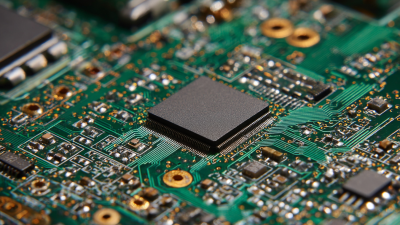
PCBA, or printed circuit board assembly, plays a crucial role in electronics manufacturing. It involves assembling electronic components onto a PCB. This process ensures that devices function properly. A reliable PCBA is essential for performance, durability, and efficiency. Many manufacturers depend on high-quality PCBA for their products. Understanding this manufacturing step is vital to creating reliable electronics.
The importance of PCBA extends beyond functionality. It impacts the overall success of a product. Poor assembly can lead to product failures and costly recalls. One key factor to consider is the quality standards of the supplier. Not all suppliers adhere to the same guidelines. Some may cut corners to reduce costs. This can jeopardize the integrity of the final product.
Reflection is important when evaluating a PCBA supplier. Asking the right questions leads to better choices. Look for suppliers that emphasize transparency and communication. Evaluate their experience in the specific industry you’re targeting. Consider their production capabilities and lead times as well. A well-chosen supplier can make a significant difference in the product's lifecycle, ultimately affecting market success.
When choosing a PCBA supplier, several key factors come into play. Quality is paramount. A reliable supplier should have rigorous quality control processes. Look for certifications that demonstrate adherence to industry standards. Check past projects to gauge their performance. A history of successful collaborations is a good indicator.
Another aspect to think about is communication. Effective communication can prevent misunderstandings and enhance collaboration. Your supplier should be responsive and open to feedback. This interaction often reveals their commitment to customer satisfaction. Additionally, consider their production capabilities. Do they have the technology and resources to meet your specific needs? Varying quantities may require different approaches.
Finally, assess their financial stability. A financially sound supplier is less likely to face disruptions that could affect your project. However, don't overlook smaller companies. They might offer personalized service and greater flexibility. Each option carries pros and cons, so it is essential to weigh them carefully. Reflect on what best aligns with your project goals.
When evaluating the technical capabilities of PCBA suppliers, it's vital to assess several key factors. Start by examining their certifications. For instance, ISO 9001 is a norm indicating quality management systems. Suppliers with this certification are often more reliable. Other certifications, such as IPC-A-610 for acceptability of electronic assemblies, provide further insight into their technical standards.
Additionally, consider their experience in specific industries. Reports suggest that suppliers with over 10 years in the field have a better grasp of complex needs. Look for those who have worked with advancements like 5G technology or IoT devices. Their familiarity often translates to increased innovation in design processes. Moreover, check their technological capabilities. What types of equipment do they use? Suppliers with cutting-edge machinery can enhance production accuracy and reduce errors.
Tips:
Assess if the supplier has a robust R&D department. This can lead to faster troubleshooting and innovative solutions. Engage with their technical team to gauge their responsiveness. A knowledgeable team often indicates a proactive approach to issues. Lastly, inquire about their testing protocols. Consistent testing leads to higher quality outcomes.
When selecting a PCBA supplier, quality control is crucial. A robust quality control process ensures the reliability of printed circuit board assemblies. Start by examining their inspection methods. Many suppliers use automated optical inspection (AOI). This technology identifies defects early in the production process. However, relying solely on AOI can be limiting. There must also be thorough manual inspections. This combination often catches issues that machines may overlook.
Consider their testing protocols. Third-party testing can provide an independent assessment of quality. It’s essential to inquire about their certifications. These verify that the suppliers adhere to established quality standards. Yet, certifications don’t guarantee perfection. Suppliers can sometimes pass these tests while still delivering subpar products. Open communication with suppliers can reveal their actual commitment to quality.
Also, review their response to past quality issues. A transparent process for handling defects is a good sign. Suppliers should be willing to discuss how they address challenges and improve. Their history can offer insights into their reliability. While no process is flawless, a supplier's approach to quality control speaks volumes about their capability and trustworthiness.
When selecting a PCBA supplier, assessing their reliability and business reputation is vital. A reliable supplier is consistent in delivering quality products. They usually have established processes and standards, ensuring minimal defects. It's essential to examine their track record. Look for client testimonials and case studies that highlight their performance over time. However, not all suppliers will meet expectations. Discrepancies in delivery times or quality control may arise, prompting a deeper evaluation.
Additionally, the business reputation of a supplier can significantly affect your project. An organization bound by ethical practices is often more trustworthy. Seek out suppliers with certifications like ISO or IPC. These endorse not only their technical abilities but also their commitment to industry standards. Nonetheless, be wary of suppliers who overstate their qualifications. Scrutinize their claims and verify information when possible. Engage in conversations with their previous clients to gain insights.
While researching, consider your communication with potential suppliers. Clear communication can reveal much about their reliability. If responses are delayed or vague, it may indicate future issues. Supplier reliability is not solely based on past performance but also on how they adapt to current needs. Reflect on past experiences and remain cautious when making decisions.
When selecting a PCBA supplier, pricing models significantly impact your overall costs. Various pricing structures exist, such as per-unit pricing, volume discounts, and bundled services. According to industry reports, nearly 40% of companies opt for volume pricing to reduce costs. This model can cut expenses significantly, especially for larger orders.
Cost considerations extend beyond unit price. Hidden costs, such as tooling fees, shipping, and compliance testing, can add up. A study highlighted that around 30% of companies faced unexpected expenses after finalizing contracts. Being aware of these factors helps in budgeting accurately. Furthermore, examine the total cost of ownership (TCO) rather than just the initial pricing to get a clear picture.
While pricing is crucial, quality must not be compromised. Engagement with suppliers that offer transparent pricing and clear details can be beneficial. Suppliers with established reputations often provide reliable services, but not all high-priced options guarantee quality. Striking a balance between cost and reliability is essential, ensuring you choose a partner that aligns with your specific needs. Reflections on past supplier experiences can help refine your selection process.
When selecting a PCBA supplier, communication plays a crucial role. Effective communication can significantly impact project outcomes. According to a report from IPC, 70% of companies emphasize responsive communication as a key factor in supplier selection. Having a dedicated account manager can streamline interactions and enhance clarity. This helps avoid misunderstanding and misalignment on project goals.
Support services are also essential. Suppliers offering after-sales support tend to foster better relationships. A study from TechWatch highlights that 65% of successful partnerships thrive on ongoing technical support. Regular updates and feedback mechanisms ensure that issues are addressed promptly. However, not all suppliers provide consistent support, leading to frustrations. Assessing a supplier's commitment to post-delivery support is vital for long-term collaboration.
Additionally, response time during initial inquiries can be telling. A supplier that responds promptly reflects their commitment to customer satisfaction. If a supplier takes ages to reply, it might signal a lack of reliability. Organizations often overlook this aspect, but it can reveal much about the supplier's operational efficiency. Finding a balance between communication, support, and reliability is crucial for making the best choice.
In 2023, the PCB assembly service landscape for industrial instrumentation has witnessed significant advancements, reflecting the evolving market trends. As industries increasingly demand precision and reliability, the emphasis on high-quality PCB assembly services has become paramount. Our company, with years of expertise in industrial instrumentation, has established itself as a trusted partner among various clientele. We offer a diverse array of services tailored to meet the needs of this sector, ranging from pressure gauge PCB assembly to temperature instrument PCB assembly, ensuring that our solutions are robust and effective.
Focusing on the specific needs of the industrial instrumentation market, we provide specialized PCB assembly for flow instruments, analysis meters, and tachometers. This targeted approach allows us to cater to the unique requirements of each application, whether it's enhancing measurement accuracy or ensuring durability in challenging environments. By leveraging insights from the latest service reports, we continue to refine our processes and technologies, aligning our offerings with current and future market trends. Our commitment to quality and innovation positions us as a reliable partner in driving efficiency and effectiveness in industrial applications.
?
PCBA ensures devices function properly. It affects performance, durability, and overall efficiency of electronics.
Poor assembly can lead to product failures and costly recalls. The final product's integrity is compromised.
Check their track record, client testimonials, and case studies. Evaluate their consistency in delivering quality products.
Effective communication impacts project outcomes. Clear interactions help avoid misunderstandings and align project goals.
Suppliers providing after-sales support foster better relationships. They help address issues and improve collaboration.
Look for certifications like ISO or IPC. Verify their claims by engaging with previous clients for insights.
Consider past experiences and communication effectiveness. Be cautious of suppliers who overstate qualifications.
Prompt responses indicate commitment to customer satisfaction. Delayed replies may signal potential reliability issues.
Ongoing technical support and regular updates are vital for addressing issues and maintaining a successful partnership.
Choosing the best PCBA (Printed Circuit Board Assembly) supplier is crucial for the success of any electronics manufacturing project. Understanding PCBA and its significant role in bringing electronic products to life is the first step in making an informed decision. Key factors to consider include the technical capabilities of the supplier, which encompass their expertise in various assembly techniques and technologies. Additionally, assessing the quality control processes in place ensures that the final product meets industry standards and reliability.
Furthermore, evaluating a supplier's reliability and business reputation can provide insights into their previous performance and customer satisfaction. Pricing models and cost considerations are also essential, as they should align with budget constraints while maintaining quality. Finally, exploring the communication practices and support services offered by suppliers can significantly impact project timelines and overall collaboration. By carefully weighing these factors, businesses can select a PCBA supplier that best meets their specific needs and contributes to the success of their electronics solutions.